Realise Your Dream
Using Our Expertise
Coastal Boats (Cambodia) Co Ltd builds precision aluminum performance catamarans — with BV/DNV certified plate and skilled fabricators in a 700 m² dedicated facility.
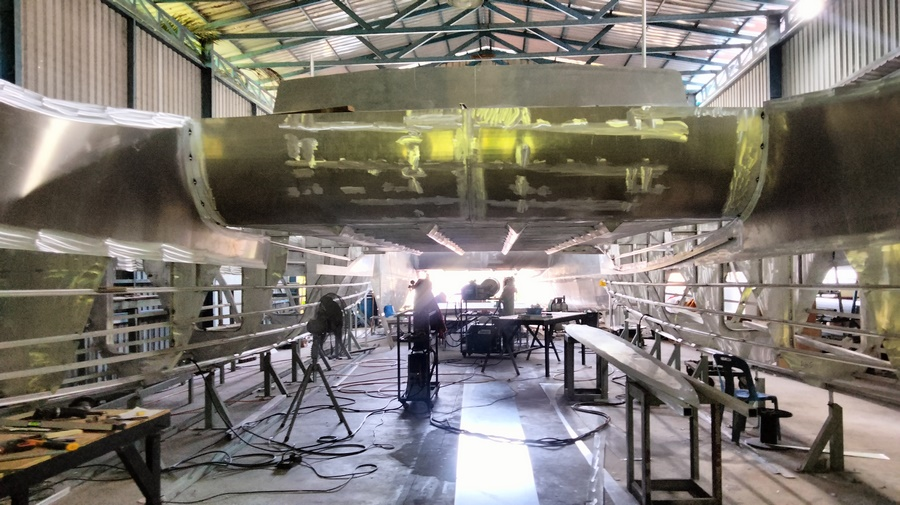
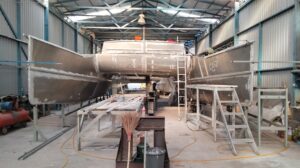
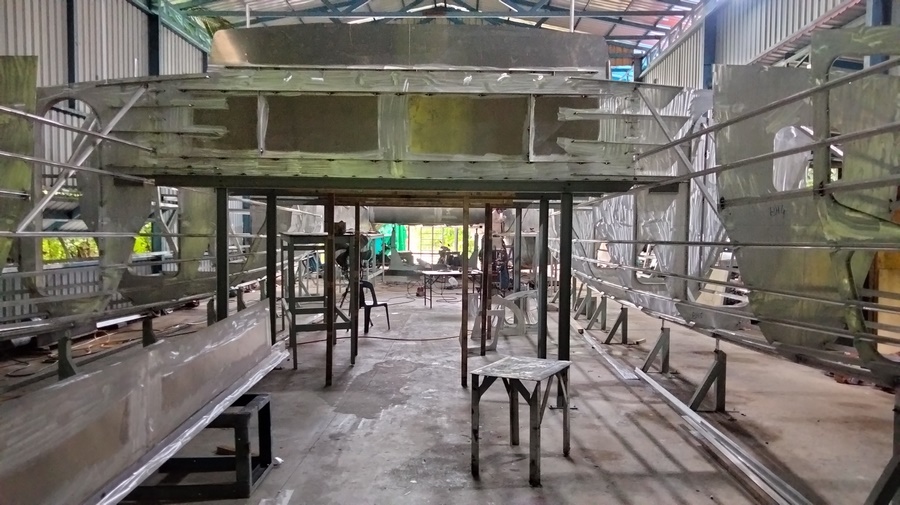
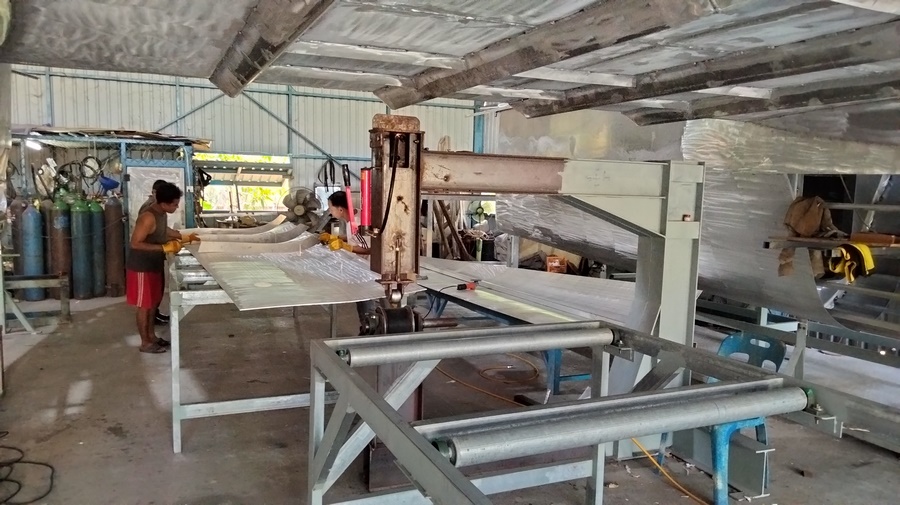
Building the Mumby 48 in Cambodia
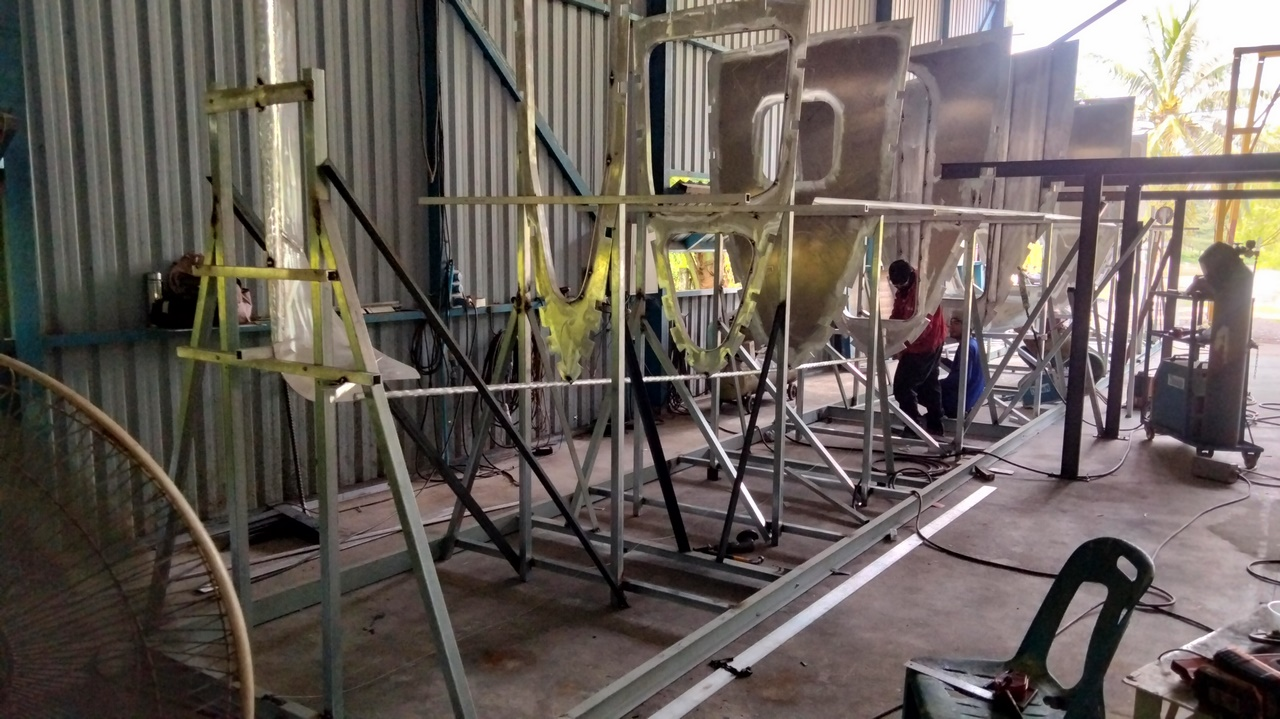
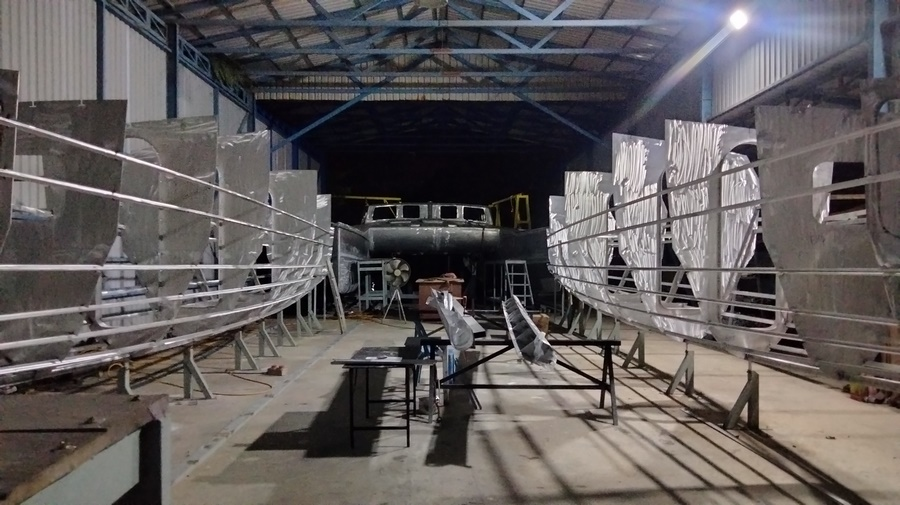
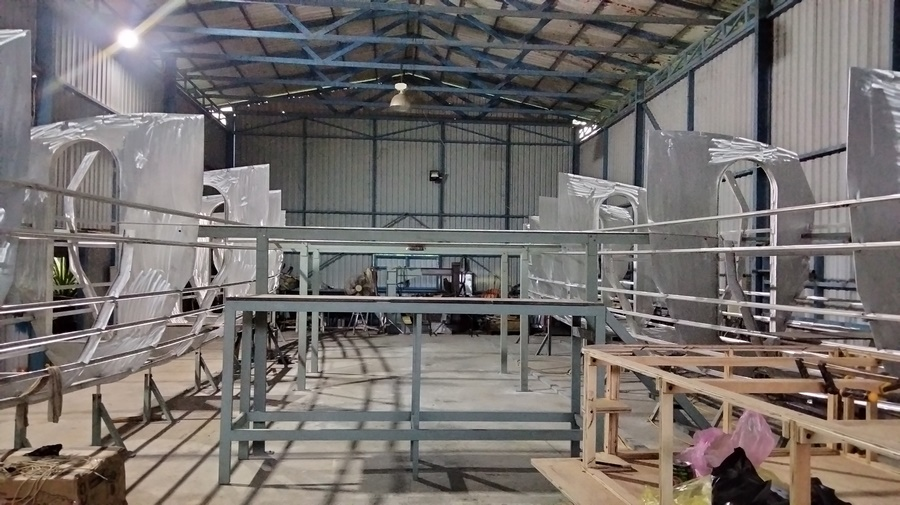
Aluminum plate is sourced in Singapore and certified BV or DNV. Cutting of bulkheads and frames is also done in Singapore, then shipped to our Cambodia facility for assembly.
- High quality build to exacting standards
- Certified BV / DNV aluminum plate throughout
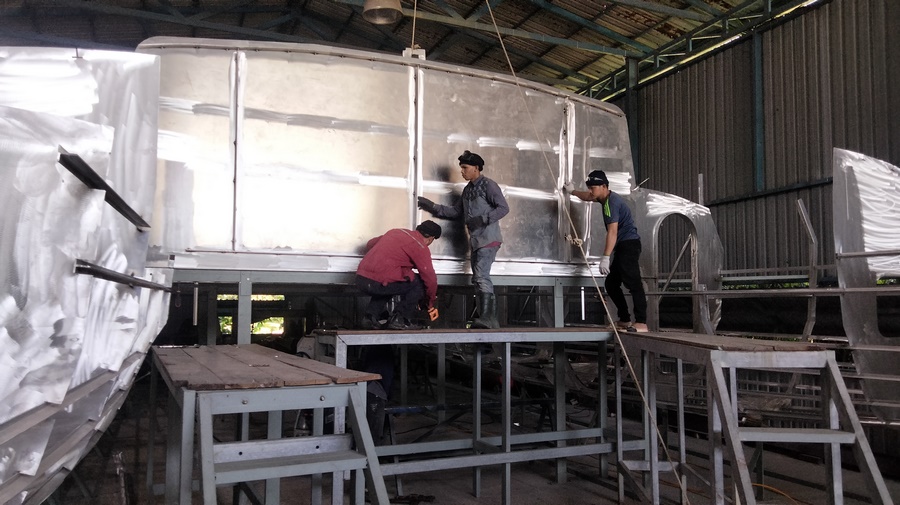
- Skilled fabricators and coded welders
- CAD-precut bulkheads and frames
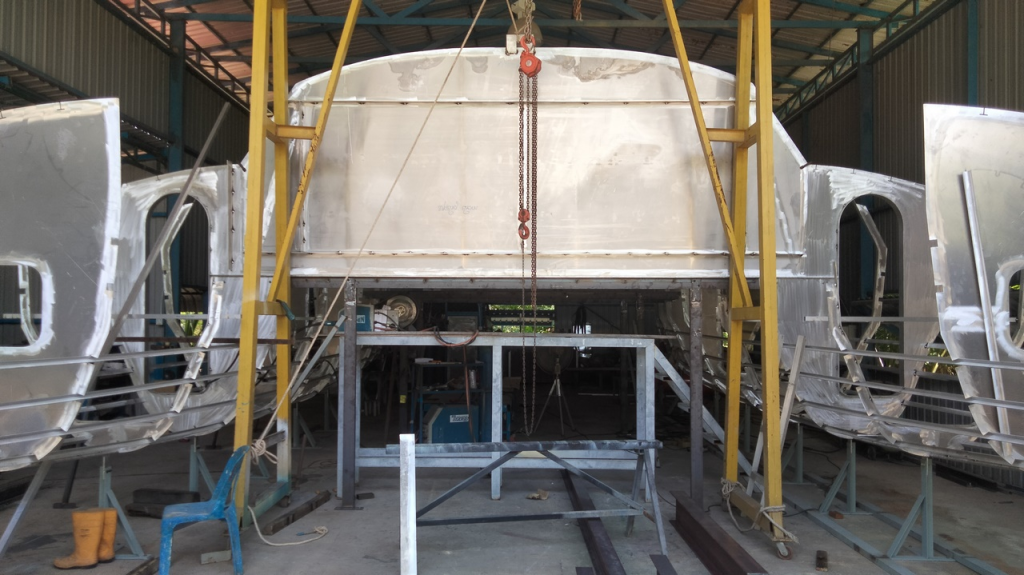
The aft beam lofted directly from the plans and manually cut
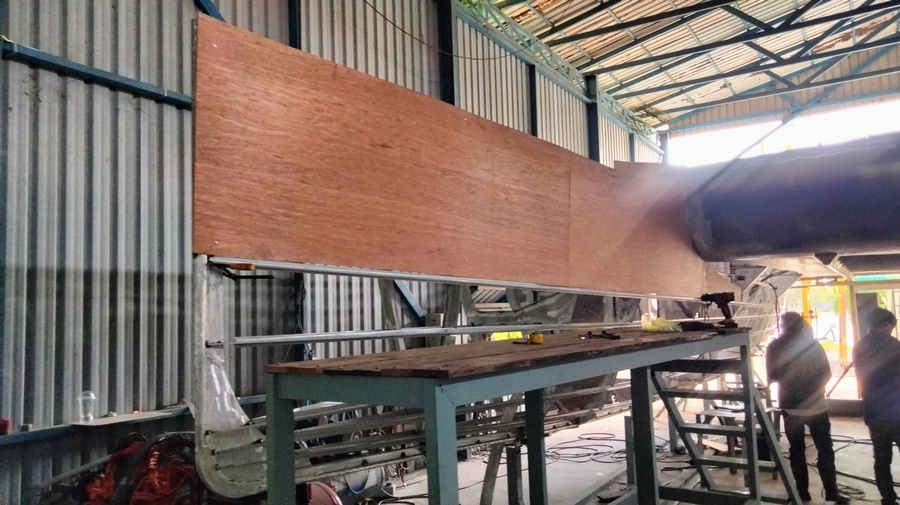
Topside parts lofted onto plywood templates to minimise plate waste
Lofting a Boat: A Visual Guide
Lofting is the traditional method of creating full-scale drawings of a boat’s hull lines — a crucial step in boatbuilding that ensures accuracy and consistency throughout construction. With the Mumby 48 design, bulkheads and frames are precut using CAD software, but a significant amount of manual lofting is still required for a perfect fit.
Aluminum vs Fibreglass — Which is Right for You?
Both materials have distinct advantages depending on your priorities. The Mumby 48 is designed around aluminium’s exceptional strength-to-weight ratio and longevity.
Aluminium
The Mumby 48’s construction material
- Significantly lighter than fibreglass — less fuel, easier handling
- Exceptional impact strength — ideal for offshore and rough water
- Lower ongoing maintenance — no gelcoat to polish
- More affordable to build at this size
- Fully recyclable and repairable anywhere in the world
- Noisier — water slap on hull more audible
- Requires anodising/paint for saltwater corrosion protection
- Aluminium is the standard choice for offshore performance builds
Fibreglass (GRP)
The production boat standard
- Smoother, quieter ride — especially in light chop
- Wide variety of shapes and moulded designs
- High-gloss gelcoat finish from the mould
- Heavier — higher fuel consumption and harder to trailer
- More expensive to build one-off (requires a mould)
- More gelcoat maintenance — waxing, polishing, osmosis
- Less impact resistant — collision damage is harder to repair
- Best suited to production builds and sheltered-water cruising
Our recommendation: For a 48ft offshore performance catamaran built to last, aluminium is the clear choice — lighter, stronger, and repairable in any port in the world.
Construction Process
Follow the Mumby 48 build from first frames and bulkheads to twin hulls in the water.
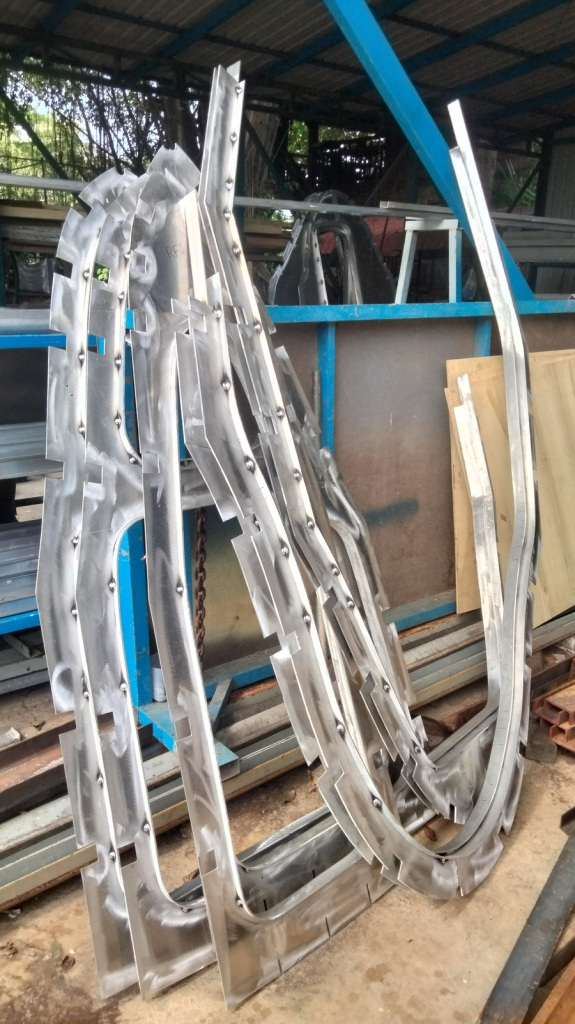
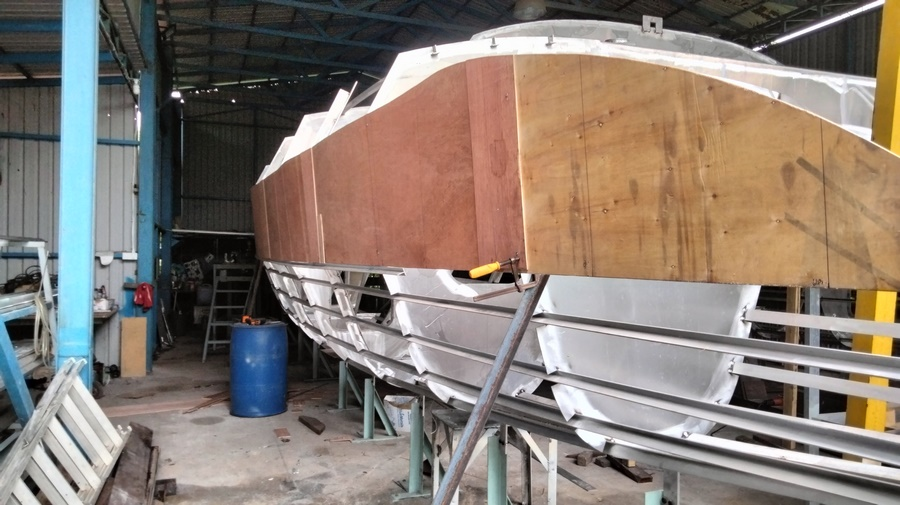
Construction Process Slideshow
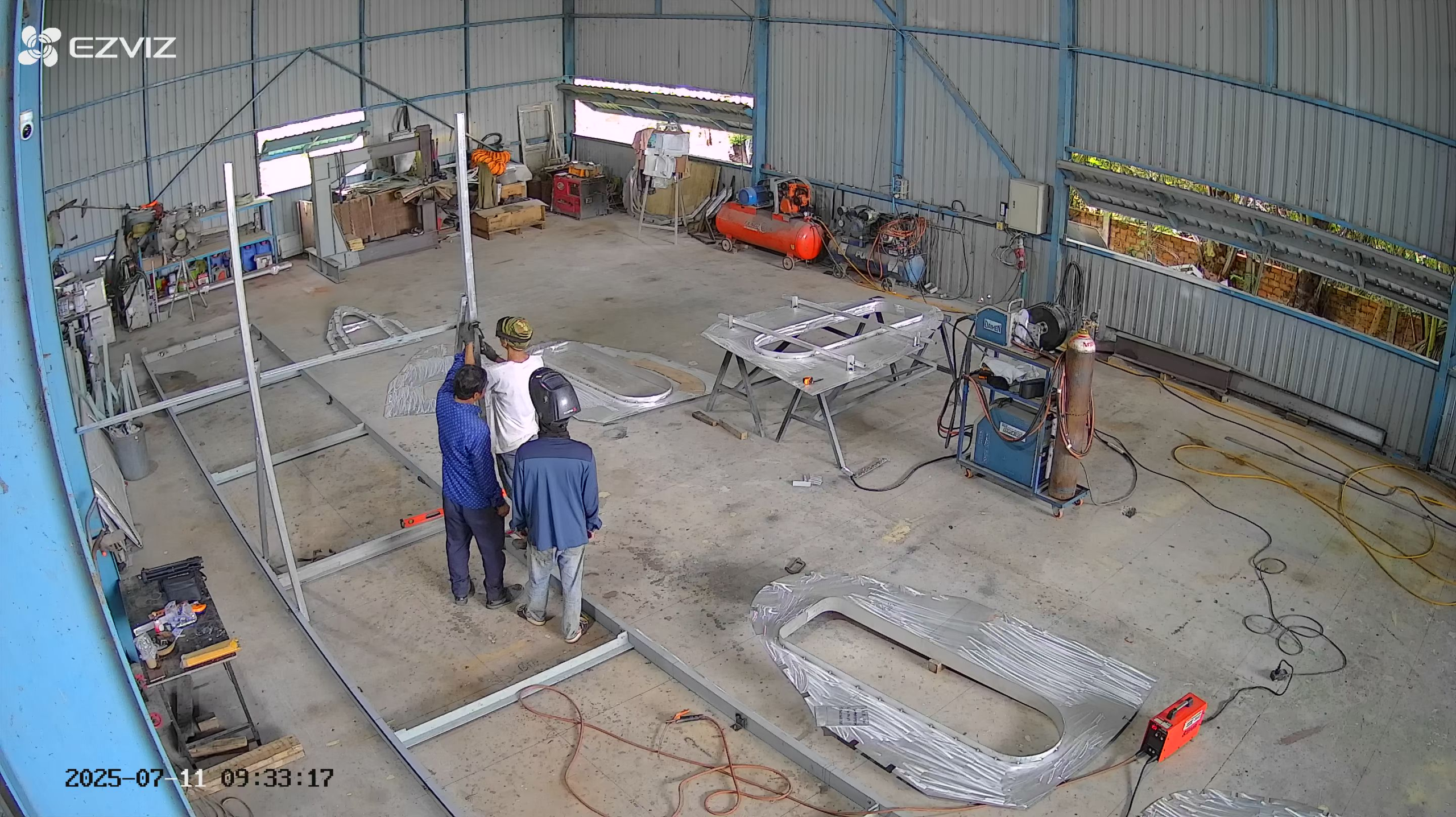

A sister project from the Coastal Boats team
Ready to Build Your Dream Catamaran?
Talk to the Coastal Boats team about specifications, timeline, and pricing for your Mumby 48 build.
Get in Touch Today